Showing posts with label art. Show all posts

Wednesday, 4 December 2019

gardening stretch goals : scaffolding waterfall

Most back garden waterfalls hide their artificialiaty in a plethora of faux-rock rill bits. This suggests another approach:

The Scaffolding Waterfall

This is from the recent Olafur Eliasson exhibition at the Tate Modern, which also contained other suggestions; soft reindeer moss walls, water misters in shafts of sunlight to make rainbows in dark back gardens, geodesic domes, again, and transparent, water-covered barriers simulating rain.

lichen on the wall dancing in rainbows

magic maquettes through the waterfall window

Water wastage is much discussed. But if the water in question is rendering an area green and fertile, then it becomes a patch of green in the desert, in the tiny canyons of our back gardens.

Wednesday, 6 February 2019

scenes from the winter garden

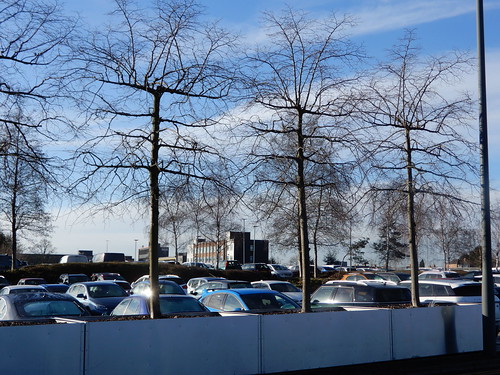
Firmly espaliered tree-screen in a prestige factory car-park.

espaliered firmly

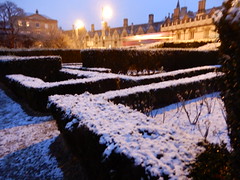
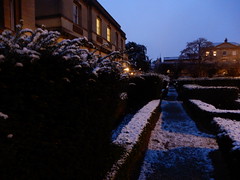
Snow makes mazes look better by invoking the chill despair of being lost in the cold.

snow on the maze snow on the yew hedge

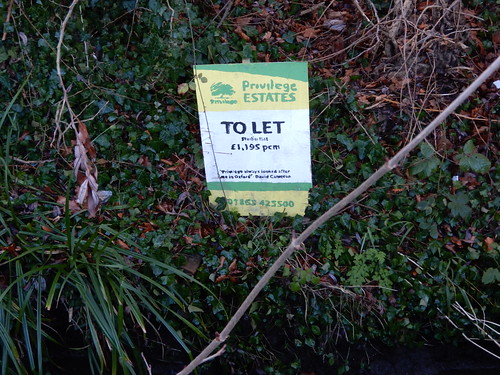
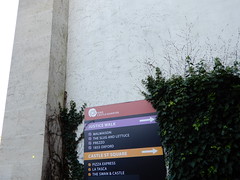
Decorate your garden (or maybe somebody else's) with an ironic estate agent's sign:

art on the culvert

Ivy, the faithful friend of winter, must be trimmed into a sensible space:

ivy traces ivy traces

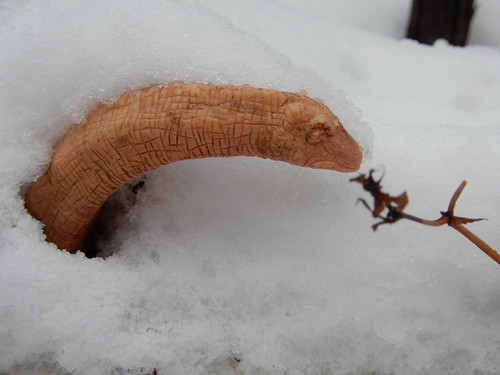
Snow buries the garden dinosaurs:

fancy a snack?

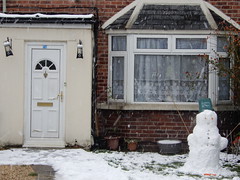
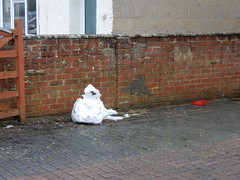
The beginning and end of the suburban snowmen and their myriad accessories:

snow man and snow remains of the snowmen

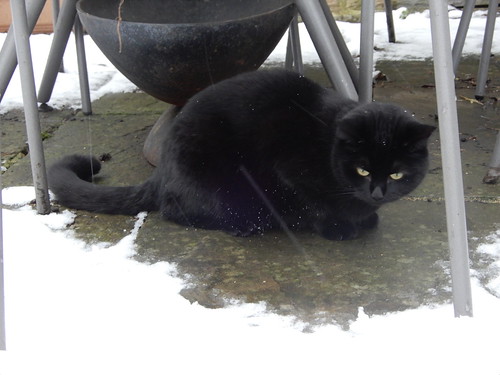
Cat says: what is this bullshit?

what is this????

Sunday, 9 September 2018

water feature inspiration from this summer's art events

It was such a hot summer. Such a long hot summer. Water drew us like magnets to throng the riverbanks, crowd the beaches and dangle over the fountains. The South Bank water rooms were solid with wet children, and every single civic space with something similar was similarly rammed.

Water in the backgarden was more of a problem. Water planters overheated and fell to evaporation, ponds exploded with algae and blanketweed, fountains clogged and struggled to draw and in the heat our water features became containers of a kind of tepid pond stew rather than anything refreshing, bright and re-invigorating.

With autumn in the air, I'm eyeing my water planters and considering plans for next year (not least because the cracks are implying I might lose them in a frost-related incident this winter). How can we get that sense of civic refreshment on a back-garden scale?

Counter-intuitively, I'm going to go BIG for the answer and draw in two great water-related arts items from London this summer, the London Mastada and the Serpentine Pavilion.

Inspiration 1 : Floating water sculptures
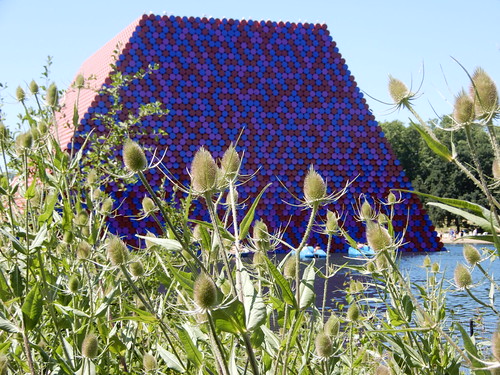
through the garden 2

High summer comes and even my tiny water pots are choked with vegetation in and around them. The water -- its coolness, its reflection -- gets easily lost. And of course you need to keep the vegetation there, to reduce evaporation, shade the water, etc. But how to hit a good balance? Could something in the water make that focal point to arrange the vegetation around? The base could also make a fish shelter, tether the horizontal and promote visibility of the water through glints of reflected colour. The water would come out both visually and (depending on the sculpture's shape) literally, though meniscal creep and evaporation. Get it right and you also have a bee island to help insects drink.

Inspiration 2 : Watered surfaces
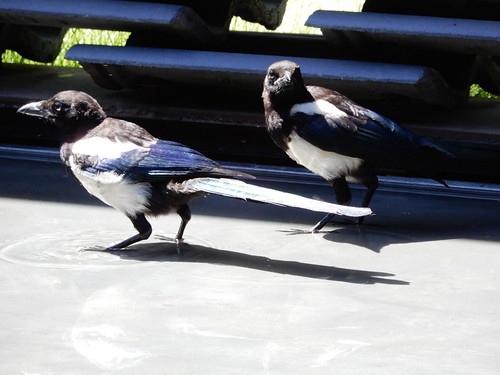
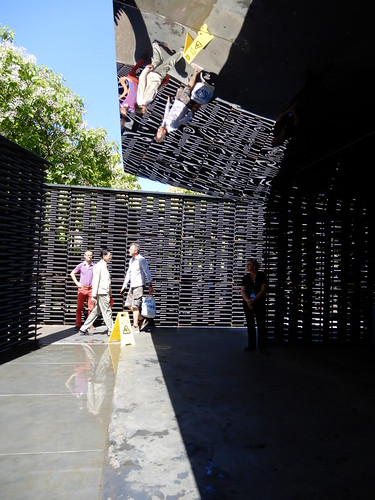
serpentine pavilion

These two young magpies are playing in the Serpentine Pavilion, which this year featured a shallow "water floor" - an area of the ground dropped by an inch or so and filled with slowly-flowing water. This, combined with the perforated wind-friendly roof-tile walls, created an area of delicious shade and coolness, full of sheltering mums, blissed-out babies and those two magpies, who clearly felt they owned the space. There were admittedly people put a bit off-balance by this sudden, slightly treacherous drop; observe the yellow alert placed on the corner of the water floor.
serpentine pavilion

Strangely, bar a few splashing toddlers, there wasn't much paddling. It was too shallow to be a pool, and felt more functional than fun. It chilled a chill-out space, it made a rill into something broad enough to have an environmental effect, and it gave the wall a glittering bass note.

The Pavilions are too temporary to get settled and start growing moss and slime and ivy, but this style of wall-base shallow stream isn't as unfamiliar as it seems (I grew up in a farmhouse with one running along the side of the garden, albeit a rather more rustic version) and it spreads the water out, cooling and air-irrigating a wider area. A greener version of this could start to reduce the parch and translate the high summer garden into a space of deep chill and tropical moistness.

Sunday, 24 June 2018

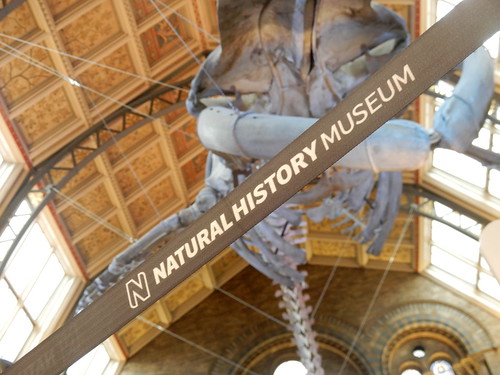
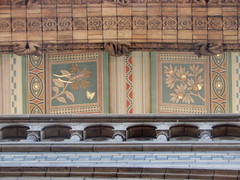
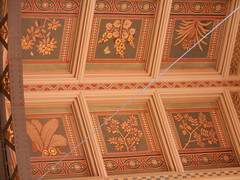
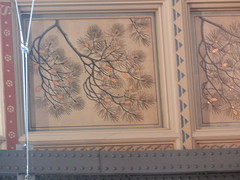
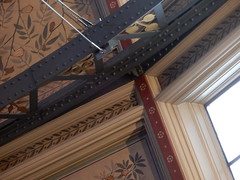
dancing on the natural history museum ceiling

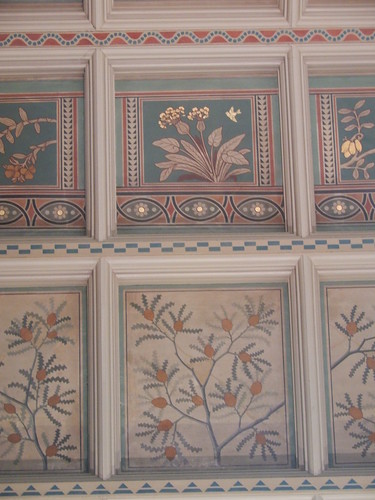
I suppose that theoretically a person could lie down on the floor in the Hintze Hall of the Natural History Museum and just stare through the pale bones of the massive blue whale at its amazing botanical painted roof for as long as you wanted, surrounded by tiny children and anxious museum attendants, but

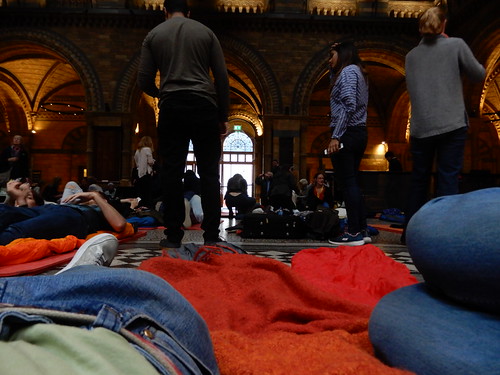
Unless of course, you've been given a rug and told to find a place:

dinosnores settle in

So here we are at Dinosnores for grownups, somewhere in between a lecture on parasitic wasps, the insect tasting and prosecco.

dinosnores settle in

and all I can do is look at ceiling!

dinosnores settle in dinosnores settle in

Famously, the pictures are all accurate botanical illustrations; the animals are real animals, the plants real plants, plants that are of use to humans, rendered in the respectfully utilitarian style of high Victorian instruction; here are the plants, and this is why they matter, and here is a pretty border around the edge, because they deserve it:

dinosnores settle in

Saturday, 9 June 2018

secret gardens and jewelled fantasies

This is an installation by Raqib Shaw, of a decadent gardenverse. As June strikes, this decadent effusion of flower-studded jewelled greenery crawls over everything, so I declare him the flowermaster of June.


Here he is in his own words: "there is a crisis if an orchid doesn't bloom on time". We've all been there. Painted in enamels, using a porcupine quill, this is an exotic, luxuriant, glossy garden indeed.


I found this from Vogue, which felt I might also like this: (Secret Garden : Versailles - use that link if the player below misbehaves or you fancy better-quality audio)


Why yes vogue, thankyou, I do. Enjoy the silence - and the gardens.
Saturday, 21 April 2018

daffodils in the green walls

London is always a few degrees warmer. Snow might fall, but it doesn't linger. I am recovering from dental surgery, stuffed with painkillers. But there are daffodils in the green walls, and in the trees in the art installation, the birds are singing.
The installation is called Library for the Birds of London, but the birds are not one of our natives (could you use Goldfinches?) but the art-installation-friendly Zebra Finch, twenty-two of them, all sociable and sentimental, allopreening and softly twittering and not quite settled in enough to be perching on rucksacks and handbags yet, but one of them is building a nest in a dangling hat. Hold your installation for long enough and you get zebra finch chicks, born to the art and habituated to the gallery environment from birth.


Whitechapel gallery is unfamiliar but I've seen Dion before; most notably his siftings from the Thames, scadalous in its day for being good art and bad archaeology, or possibly vice versa. Here the presentation includes the ethnographic shots and gathered accoutrements of the volunteer diggers, which I had not seen before, which are lovely. There's also a lot of stuff about hunting (elaborate hunting lodges, an essay entitled "On the inevitability of hunting," trophies, flags) which makes me nervous, even though when I'm running my repeat-to-myself is pretty much always "Chase the deer, catch the deer, you don't have to out-run it, you just have to outlast it," while I imagine I'm endurance hunting a Mutjac.


We want to stay and explore more of Whitechapel Gallery but we're hungry and there is more planned for the day, and the cafe contains only cake. We find a place and eat and dive back into the underground and then out into the Southbank. The concrete is warming in the sunshine; spring
comes earlier to London. The warmth of the walls and the traffic warms every pocket and fragment of soil, and green oozes from everywhere. It's too earlier for the municipal hoes and scorchers to have come out. Tiny flecks of green are appearing everywhere. The trees stretch out their shadows on the ground, beaded with swelling buds. Spring is coming.

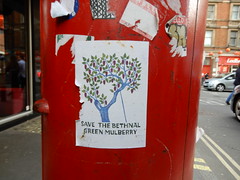
Friendly Beast   save the mulberry

In Soho, someone is trying to save a mulberry. In Trafalgar Square, tourists are dancing with the pigeons, shooting selfies in the waterspray from the fountains, under the watchful eyes of the invisible enemy should not exist on the fourth plinth. We decide to walk back to the bus across the park, even though it's late and the light is failing. The park is full of daffodils and birds billing and cooing and being a bit fancy. Then hunger strikes, and we end up bolting bowls in the glass canyons of Nova Victoria under the the smoky gaze of the Rubens Hotel Living Wall where the daffodils gleam in the darkness like living stars.


Saturday, 16 September 2017

RA Summer Exhibition Gardens

Unless you count the front court, there isn't really a garden at the RA, as such. Perhaps in some secret member's space. But inside, especially in Room 1, there is a lot of gardening going on.

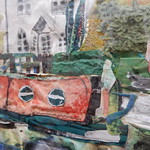
rabbit rabbit rabbit leg person (dead) wild mixed border eerie practice room
needlepoint gawkers treeferns and overgrowth fragmented narrowboat

Other beauties not photographed: Rocks Landscape, Seize the Night, and Pale Green Hydrangea.

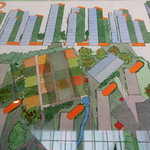
This year the architect's room was concentrating on services, utilities facilities. This meant fewer models and more diagrams, not to its detriment. The mysterious and ?unrealised Edgveg project and a gorgeous 1920s pencil sketch of a pumping station provided gardenish interest.

edgveg 1 tree people edgveg 2

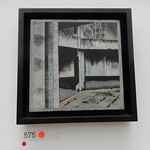
Elsewhere we found pictures of concrete spaces, garden thrones made of decommissioned arms, and a fancy birdbox (it's not a birdbox), among other things.

changing spaces quietness and elimination decomissioned chairseat
cathie's snake modern art birdhouse outside in 2

Other gardening pieces not photographed include a sinister Terrarium,  a bewildering mural, an exploration of garden statuary hubris, and a Magrittesque allotment shed.

Sunday, 3 September 2017

body-gardening and dreamers awake

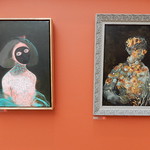
Surrealists have a particular take on gardens. Sometimes it's a sexy take, sometimes it's more plane disturbing. Gardens have an eerie smoothness, or inaccurate lighting. Grotesque gnomes with hidden secrets and objets with high insurance values look askance at art-washed functional items. 


These approved items belong to the Guggenheim collection (Peggy, Venice). Despite being a proper garden space, most of the artwork (even where it claims to be things like enchanted forests) is defiantly non-representational, although here and there it does veer off the canonical and into something a little more bright.

These surrealists came from another space; younger, less canon. The gardens they are building have the temporary feeling of fast-erected tents, pavilions without the curtain-wall of the canon.

dreamers awake

dreamers awake!     dreamers awake!

But this style of art, this deep-dive into the mists and shadows has elements shared with the gardener; of digging/revealing or contructing/depicting. Of assembling/appropriating or changing/building. Of finding the dreamer in the garden and not awakening her.